Clear water from a stream or lake can still contain germs. There are three ways to make it drinkable. Which one fits depends on what might be in the water.
Boiling
The safest method against germs. Let the water boil rapidly for one minute, three minutes from about 2,000 metres altitude. Boiling kills bacteria, viruses and parasites. Chemicals stay in, though.
Filtering
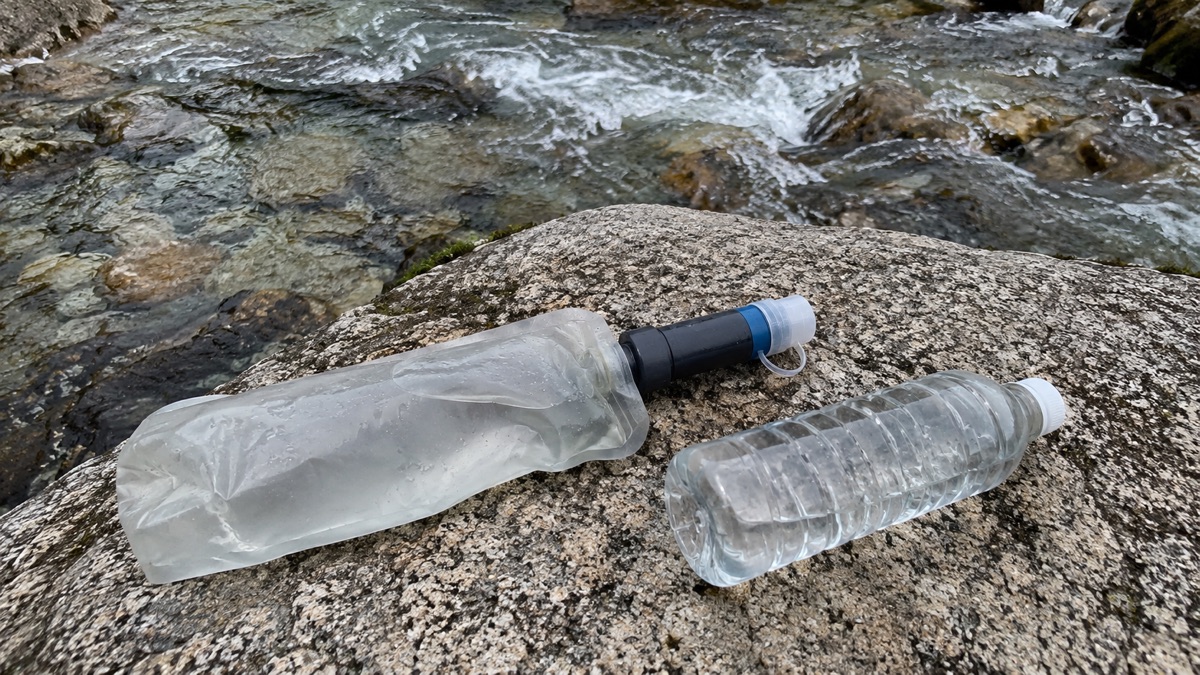
Hollow-fibre filters with a pore size of 0.1 to 0.2 micrometres hold back bacteria and parasites such as Giardia. Viruses are smaller and get through most filters. If you want to be sure, boil as well or treat chemically afterwards.
Purification tablets
Tablets or drops with chlorine dioxide work against bacteria and viruses and, given enough time, against Giardia too. Against Cryptosporidium, chlorine dioxide is only moderately effective and needs up to four hours, and chlorine alone barely works. So the safest way is: filter first, then treat chemically. The exact contact time is on the packaging and depends on temperature and cloudiness.
How to do it
- Take water that is as clear and flowing as possible, upstream of pastures, paths and campsites.
- Let cloudy water settle first or pour it through a clean cloth.
- Then boil, filter or treat it chemically.
- Store it in a clean jerrycan that you only use for drinking water.
Sources
- Centers for Disease Control and Prevention (CDC): Water Treatment Options When Hiking, Camping or Traveling
- Centers for Disease Control and Prevention (CDC): Yellow Book, Water Disinfection for Travelers
- World Health Organization (WHO): Guidelines for Drinking-water Quality
- Katadyn: Micropur Classic MC 1T